
Trauma Therapy
Trauma Counseling at Wendie Lubinsky Counseling
Trauma can leave lasting emotional, physical, and psychological effects long after a difficult experience has ended. Whether you have experienced childhood trauma, abuse, a significant loss, a traumatic event, or a harmful relationship, the impact of trauma can affect how you think, feel, relate to others, and move through daily life.
At WML Wellness & Wendie Lubinsky Counseling in Holly Springs, North Carolina, we provide compassionate, trauma-informed therapy for individuals seeking healing from past experiences and relief from ongoing emotional distress. Our clinicians understand that trauma is not defined solely by what happened to you, but by how those experiences continue to affect your sense of safety, relationships, self-worth, and overall wellbeing.
Healing from trauma is possible. With the support of an experienced trauma counselor, many individuals are able to process painful experiences, reduce symptoms, strengthen coping skills, and reconnect with a greater sense of peace and stability.
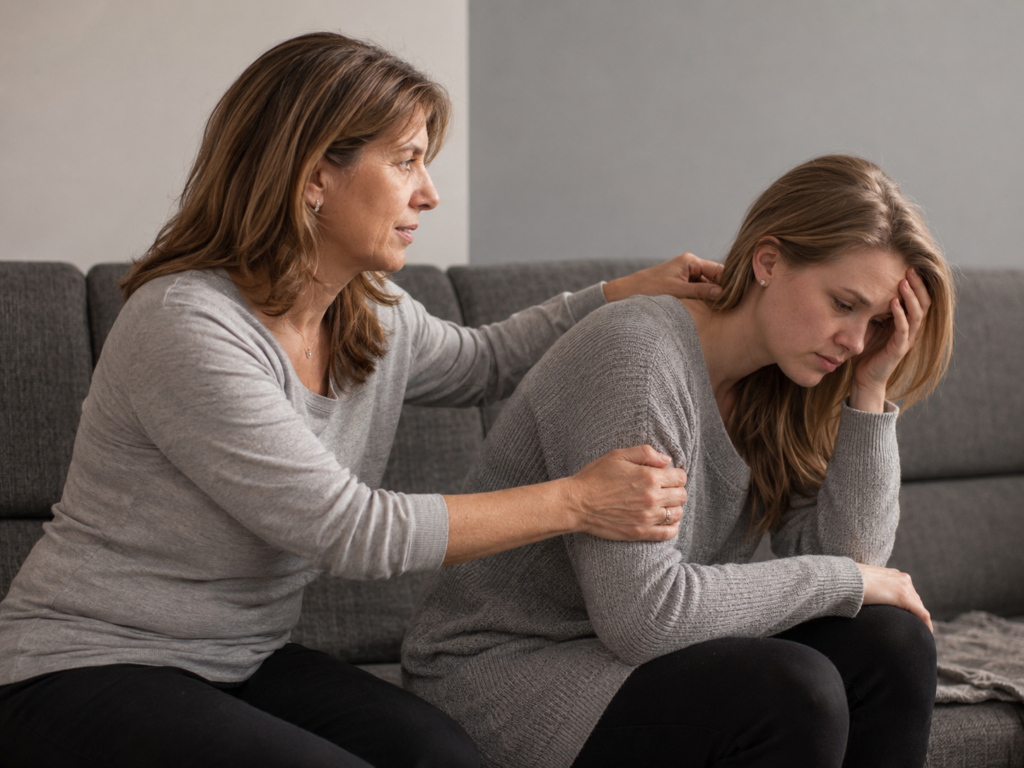
What Is Trauma?
Trauma is the emotional and physiological response to an event or series of events that overwhelm a person’s ability to cope. While some traumatic experiences involve a single event, others develop over time through repeated exposure to distressing situations.
Trauma can affect:
- Emotional regulation
- Relationships and attachment
- Self-esteem and identity
- Sleep and physical health
- Concentration and memory
- Trust and feelings of safety
Many people are surprised to learn that trauma can remain active in the nervous system long after the original event has passed. This can contribute to symptoms such as anxiety, depression, hypervigilance, emotional numbness, intrusive memories, avoidance, and difficulty feeling connected to others.
Common Types of Trauma
Trauma can take many forms, and no two individuals experience it exactly the same way.
Childhood Trauma
Experiences during childhood can have a lasting impact on emotional development and adult relationships. Childhood trauma may include:
- Emotional neglect
- Physical abuse
- Sexual abuse
- Domestic violence exposure
- Parental substance abuse
- Chronic instability or insecurity
Even experiences that were not openly recognized as traumatic at the time can continue to affect self-esteem, relationships, and emotional wellbeing in adulthood.
Relationship Trauma
Trauma can occur within significant relationships, particularly when trust, safety, or emotional security are repeatedly disrupted.
Relationship trauma may result from:
- Betrayal
- Infidelity
- Emotional abuse
- Chronic criticism
- Manipulation
- Controlling behaviors
These experiences can leave individuals struggling with trust, boundaries, and future relationships.
Trauma After Narcissistic Abuse
Many individuals seek trauma therapy after experiencing narcissistic abuse within romantic relationships, family systems, friendships, or workplaces.
Narcissistic abuse often involves patterns of:
- Gaslighting
- Manipulation
- Emotional invalidation
- Control and coercion
- Chronic criticism
- Blame-shifting
- Isolation from support systems
Over time, these experiences can significantly impact self-confidence, emotional regulation, and one’s sense of reality. Survivors often describe feeling confused, anxious, hypervigilant, emotionally exhausted, or disconnected from themselves.
Trauma therapy can help individuals process these experiences, rebuild self-trust, establish healthy boundaries, and recover a stronger sense of identity.
Medical Trauma
Serious illnesses, injuries, surgeries, difficult medical procedures, or prolonged health challenges can create emotional distress that persists long after treatment has ended.
Medical trauma can lead to anxiety, fear, avoidance of healthcare settings, and heightened stress responses.
Loss and Grief-Related Trauma
The death of a loved one, sudden loss, or other significant life disruptions can sometimes create traumatic responses in addition to grief.
These experiences may affect emotional stability, daily functioning, and one’s ability to feel safe in the world.
Acute and Single-Incident Trauma
Trauma may also result from a specific event such as:
- Car accidents
- Natural disasters
- Assaults
- Witnessing violence
- Workplace incidents
- Other life-threatening situations
Even when an event occurred years ago, unresolved trauma can continue to affect emotional wellbeing.
Signs You May Benefit From Trauma Therapy
Trauma affects individuals differently. Some people recognize the connection between their symptoms and past experiences immediately, while others do not realize how much trauma continues to influence their lives.
You may benefit from working with a trauma counselor if you experience:
- Persistent anxiety or fear
- Difficulty trusting others
- Emotional numbness
- Panic attacks
- Flashbacks or intrusive memories
- Hypervigilance
- Chronic shame or self-blame
- Difficulty regulating emotions
- Relationship challenges
- Sleep disturbances
- Avoidance of reminders associated with past experiences
Trauma therapy can help you understand these patterns while providing tools for healing and recovery.
Our Approach to Trauma Therapy
At WML Wellness & Wendie Lubinsky Counseling, trauma therapy is personalized to each individual’s needs, experiences, and goals.
We recognize that trauma treatment is not about forcing clients to relive painful memories. Instead, trauma therapy focuses on creating safety, building resilience, and helping clients process experiences at a pace that feels manageable and supportive.
Trauma-Informed Care
Our clinicians use a trauma-informed approach that prioritizes:
- Emotional safety
- Trust and collaboration
- Empowerment
- Respect for individual experiences
- Strength-based healing
Rather than asking “What’s wrong with you?” trauma-informed therapy explores “What happened to you?” and how those experiences continue to impact your life today. Trauma-informed treatment is centered on emotional safety, collaboration, and individualized care.
Cognitive Behavioral Therapy (CBT)
Cognitive Behavioral Therapy helps individuals identify and challenge beliefs, thoughts, and behavioral patterns that developed in response to traumatic experiences.
This approach can help reduce symptoms such as anxiety, depression, self-criticism, and avoidance while building healthier coping strategies.
Eye Movement Desensitization and Reprocessing (EMDR)
EMDR is an evidence-based trauma treatment that helps individuals process traumatic memories in a way that reduces their emotional intensity and impact. Through structured bilateral stimulation techniques, clients are able to reprocess distressing memories and develop healthier beliefs about themselves and their experiences.
Many individuals find EMDR particularly helpful for trauma that continues to feel emotionally overwhelming despite previous efforts to move forward.
Mindfulness and Somatic Approaches
Trauma is often experienced not only emotionally but physically. Trauma therapy may incorporate mindfulness, grounding exercises, and body-awareness techniques to help regulate the nervous system and improve emotional resilience. Somatic approaches recognize the connection between mind and body in trauma recovery.
What Trauma Therapy Can Help You Achieve
The goal of trauma therapy is not to erase the past. Instead, therapy helps reduce the power that traumatic experiences continue to hold over your present life.
Many clients report improvements in:
- Emotional regulation
- Anxiety and stress management
- Self-esteem
- Relationship satisfaction
- Sleep quality
- Confidence and self-trust
- Personal boundaries
- Overall wellbeing
Healing often involves developing a greater sense of safety, stability, and empowerment while creating space for growth beyond past experiences.
Why Choose Wendie Lubinsky Counseling?
WML Wellness & Wendie Lubinsky Counseling provides trauma-informed mental health services for individuals throughout Holly Springs and surrounding communities.
Our clinicians are committed to:
- Compassionate, individualized care
- Evidence-based trauma treatment
- Trauma-informed therapeutic practices
- Respectful and collaborative counseling
- Long-term healing and resilience
We understand that beginning trauma therapy can feel intimidating. Our goal is to create a safe and supportive environment where healing can occur at a pace that feels right for you.
Begin Trauma Therapy in Holly Springs or Cary, NC
You do not have to carry the effects of trauma alone. Whether you are coping with childhood experiences, relationship trauma, narcissistic abuse, grief, medical trauma, or a significant life event, support is available.
The trauma counselors at WML Wellness & Wendie Lubinsky Counseling are here to help you process difficult experiences, build resilience, and move toward healing.
Contact our office today to learn more about trauma therapy and schedule an appointment in Holly Springs, NC.